UV Water Treatment System

  • Home
  • UV Water Treatment System
Product Image

UV Water Treatment System

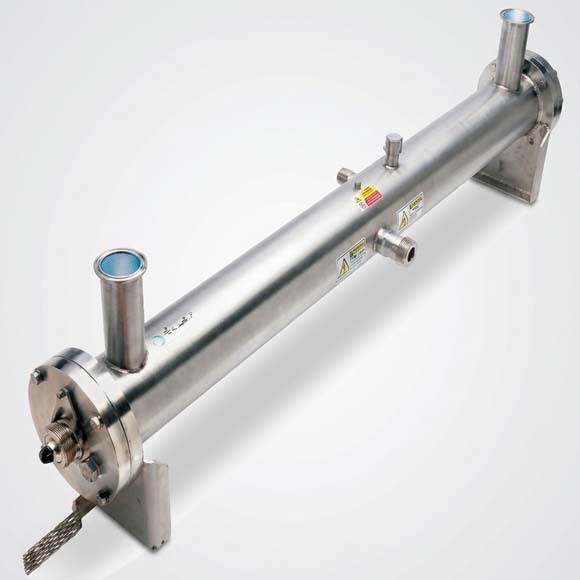
A UV Water Treatment System is an advanced water disinfection solution that utilizes ultraviolet light to neutralize harmful microorganisms present in water. The system exposes water to a specific wavelength of UV-C light, which penetrates the cells of bacteria, viruses, and other pathogens, disrupting their DNA and preventing them from reproducing. Unlike chemical disinfection methods, UV treatment does not alter the taste, odor, or chemical composition of water, making it a highly effective and eco-friendly purification method.

  • Uses ultraviolet (UV) light technology to disinfect water by destroying harmful microorganisms.
  • Effectively eliminates bacteria, viruses, algae, and other pathogens without the use of chemicals.
  • Provides safe, environmentally friendly, and reliable water disinfection for various applications.

The treatment process involves passing water through a stainless-steel chamber containing a high-intensity UV lamp enclosed within a protective quartz sleeve. As water flows through the chamber, microorganisms are exposed to UV radiation and rendered inactive. UV systems are commonly installed as a final stage of water treatment, often following filtration systems such as sand filters, activated carbon filters, ultrafiltration, or reverse osmosis units. This ensures maximum disinfection efficiency by treating already clarified water.

UV Water Treatment Systems are valued for their high disinfection efficiency, low operating costs, and chemical-free operation. They require minimal maintenance, primarily involving periodic lamp replacement and sleeve cleaning. With their ability to provide continuous and reliable microbial control, UV systems are widely used in residential, commercial, industrial, and municipal water treatment facilities where safe and hygienic water is essential.

  • Drinking Water Treatment: Disinfects water by eliminating bacteria, viruses, and other harmful microorganisms.
  • Residential Water Purification: Provides safe and hygienic water for household consumption.
  • Commercial Buildings: Ensures microbial-free water for offices, malls, and public facilities.
  • Hospitals and Healthcare Facilities: Supplies disinfected water for medical and sanitation applications.
  • Hotels and Resorts: Maintains high water quality standards for guests and facility operations.
  • Food and Beverage Industry: Provides microbiologically safe water for processing and production.
  • Pharmaceutical Industry: Supports water purification systems requiring stringent microbial control.
  • Municipal Water Treatment Plants: Disinfects water before distribution to consumers.
  • Reverse Osmosis (RO) Systems: Acts as a final disinfection stage to ensure water safety.
  • Ultrapure Water Systems: Enhances microbial protection in high-purity water applications.
  • Laboratories and Research Centers: Supplies disinfected water for analytical and testing purposes.
  • Educational Institutions: Ensures safe drinking water for students and staff.
  • Swimming Pools and Recreational Facilities: Controls microbial growth and improves water hygiene.
  • Wastewater Reuse Systems: Disinfects treated wastewater before recycling or discharge.
  • Industrial Water Treatment Plants: Provides effective microbial control for process and utility water systems.