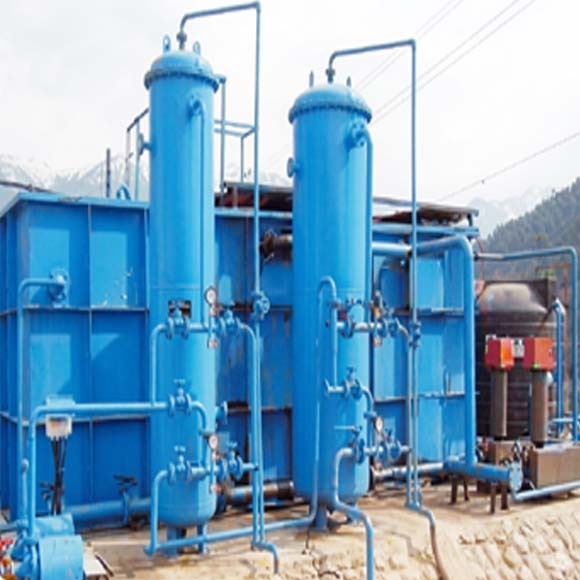
A Sewage Treatment Plant (STP) is a wastewater treatment system designed to treat sewage generated from residential complexes, commercial buildings, institutions, hotels, hospitals, and municipalities. Sewage typically contains organic waste, suspended solids, nutrients, oils, grease, and harmful microorganisms that can pose environmental and health risks if discharged untreated. An STP effectively processes wastewater to remove these contaminants and produce environmentally safe treated water.
The treatment process generally includes preliminary screening, equalization, biological treatment, clarification, filtration, and disinfection. Modern STPs utilize advanced technologies such as Moving Bed Biofilm Reactor (MBBR), Sequential Batch Reactor (SBR), Membrane Bioreactor (MBR), or Activated Sludge Process (ASP) to achieve high treatment efficiency. During the process, organic pollutants are biologically degraded, suspended solids are separated, and harmful pathogens are eliminated through disinfection methods such as UV treatment or chlorination.